14-Day Registration
Register your address within two weeks of moving to establish your legal residence and unlock downstream admin.

What it takes to get set up in Germany. Remove the invisible blockers that slow banking, employment onboarding, insurance, and stability.
One step unlocks the next. If you miss the early steps, everything slows down.
Many countries have workarounds. Germany mostly does not. Its systems are designed to reduce risk through documentation, identity verification, and traceable processes. The upside is predictability. The downside is that you cannot “skip ahead.”
Your early months often revolve around a chain: address → registration (Anmeldung) → tax ID → banking/insurance onboarding → stable contracts. If housing is unstable or registration is delayed, downstream systems (including payroll, health insurance, and even mobile plans) can become friction-heavy.
This guide is written to make the system legible. You do not need perfect German or insider contacts. You need a structured plan, a document pack, and realistic expectations.
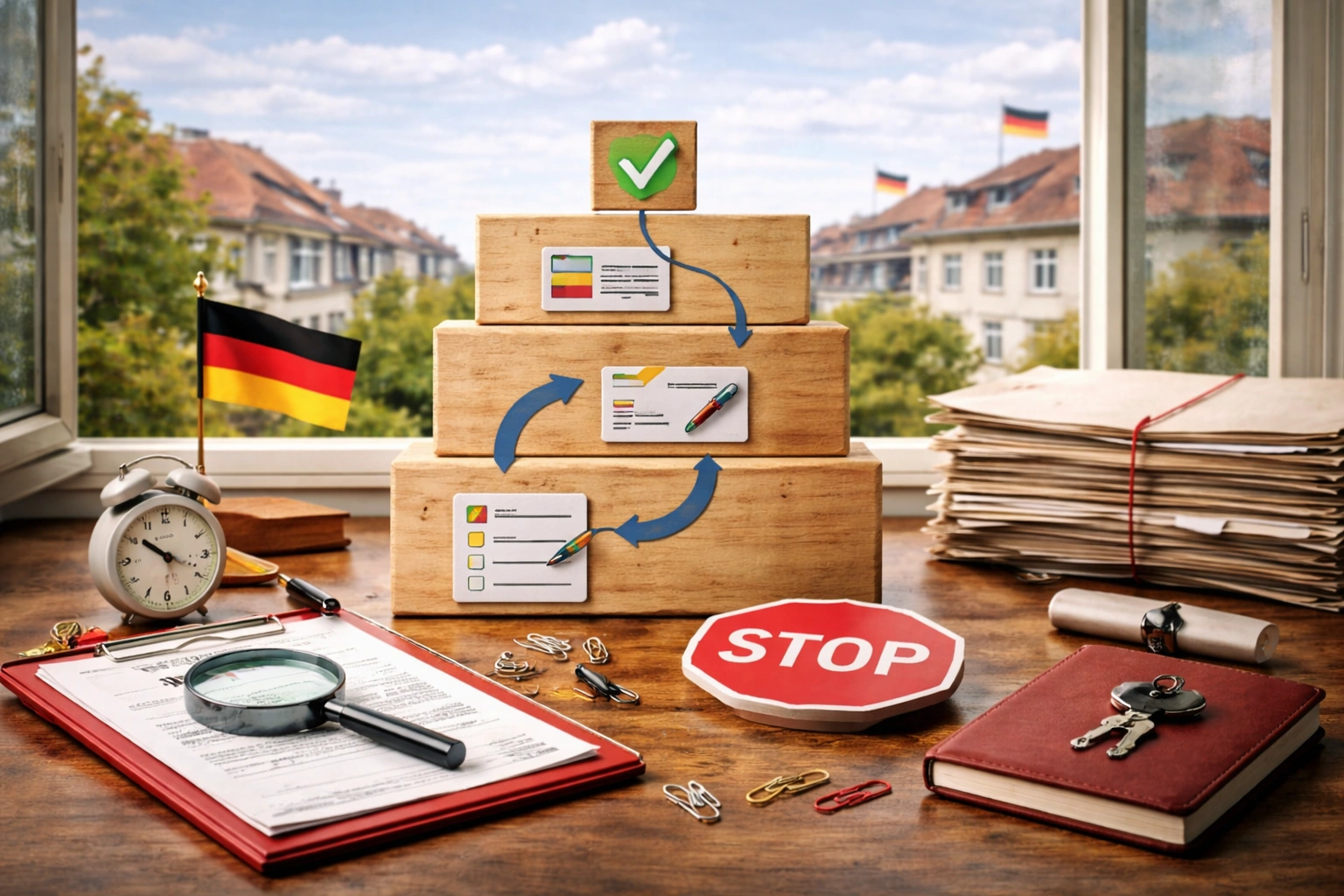
Treat your first 60 days as a setup phase. If you plan the document chain early, Germany becomes easier.
A mental model that prevents avoidable delays.
A real address with landlord confirmation (not all temporary stays qualify).
City registration unlocks downstream onboarding across systems.
Tax ID and verified details reduce friction with employers and providers.
Phone, internet, insurance and utilities become easier with stable documentation.
Anmeldung is not “paperwork.” It is the switch that activates services.
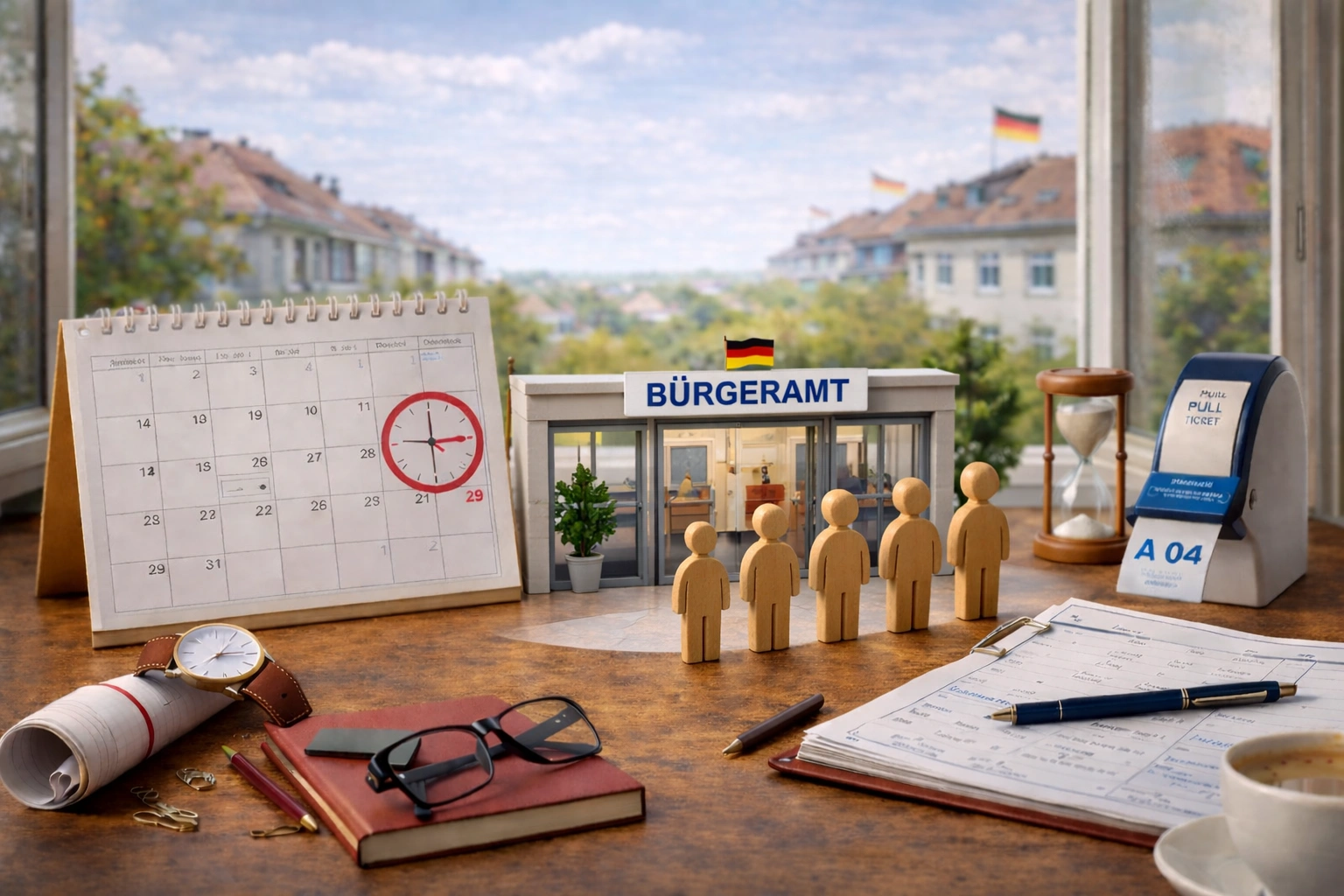
Anmeldung is the official registration of your address with your local authority (often the Bürgeramt). For newcomers, it is one of the most important steps because it connects your identity to a verified address.
Many processes depend on it directly or indirectly: tax ID workflows, certain banking onboarding, insurance processes, and basic “proof of residence” needs. Cities vary in appointment availability; plan early and treat it as a priority.
A frequent bottleneck is the landlord confirmation (Wohnungsgeberbestätigung). Without it, registration can be delayed. Not all temporary accommodations provide it.

The advertised rent is often not the actual monthly outflow.
Many listings show Kaltmiete (cold rent), which is typically the base rent excluding operating costs and often excluding heating. Warmmiete (warm rent) typically includes operating costs (Nebenkosten) and often heating, but electricity and internet are often separate.
A key nuance is the annual reconciliation (Nebenkostenabrechnung). The monthly utility estimate is not always final. If your usage exceeds the estimate (e.g., heating in winter), you may receive an additional bill later. If you used less, you may receive a refund.
Also plan for upfront costs: deposit (Kaution, often up to three months of Kaltmiete), furnishing (if not included), and setup costs (internet installation lead times can be longer than expected).
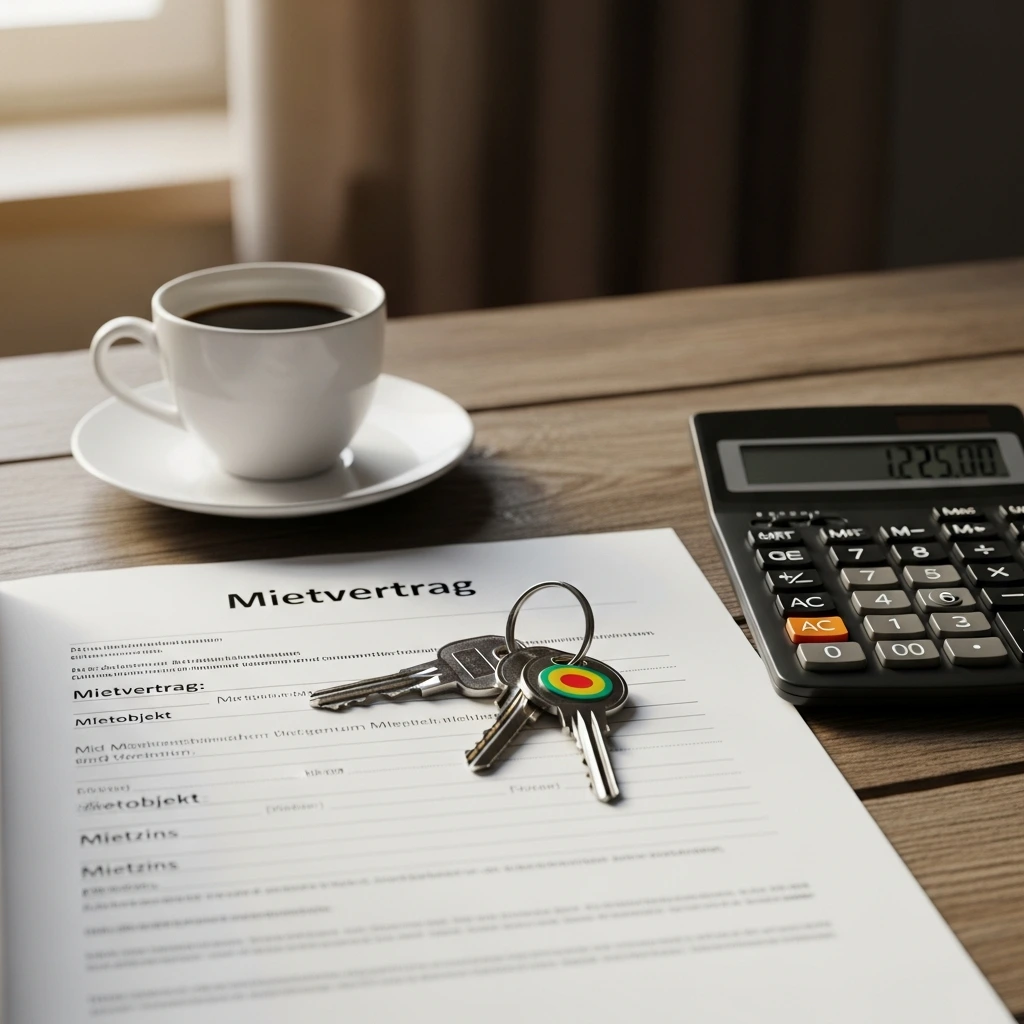
Often missed, but extremely important in German apartments.
In Germany, Lüftung (regular ventilation) is treated as part of proper apartment use, not a lifestyle preference. Many homes are well-insulated and moisture can build up quickly from cooking, showers, laundry drying, and even normal breathing. If moisture stays trapped, it can lead to Schimmel (mould), which is one of the most common causes of tenant–landlord disputes.
Landlords may expect you to ventilate “properly,” and some contracts reference tenant responsibilities around preventing mould. This matters because mould issues can become expensive, and disagreements often happen around who caused it (building problem vs ventilation behaviour).
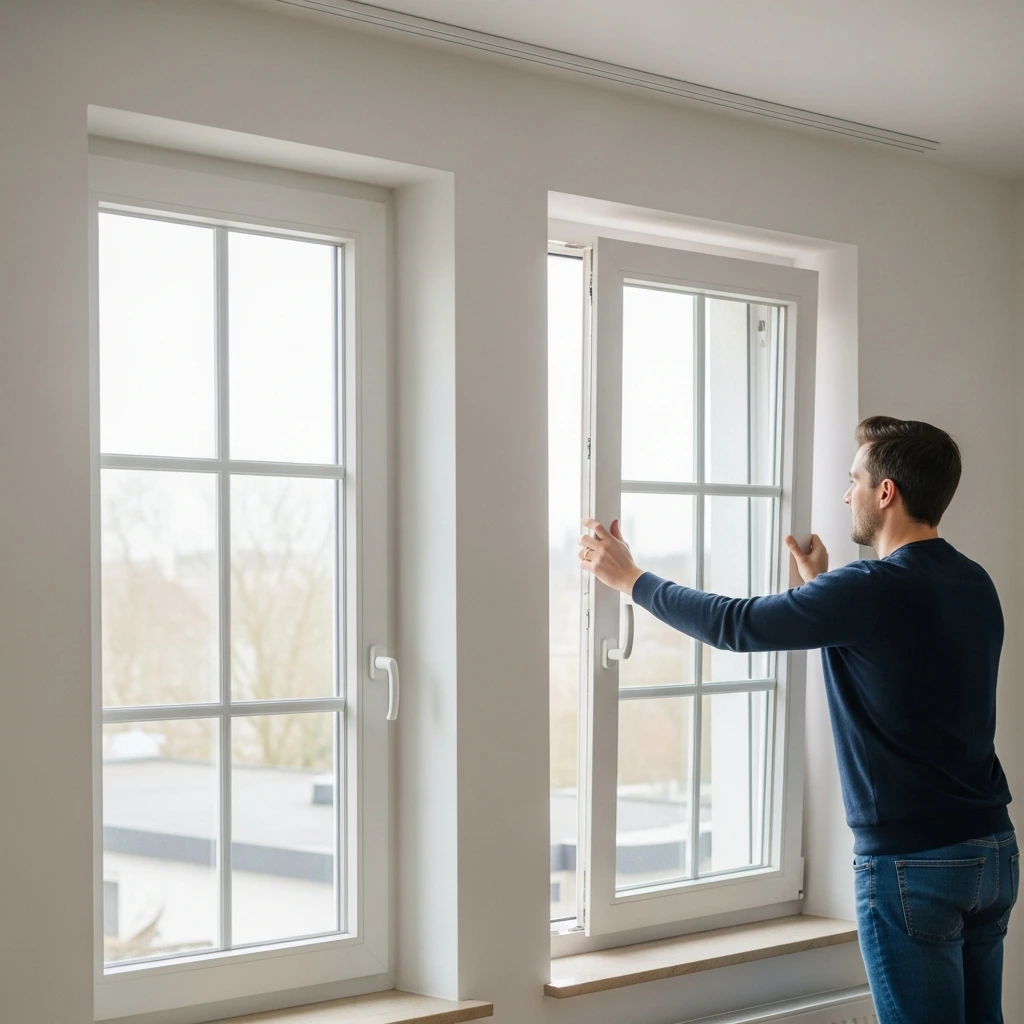
Reduces moisture build-up, lowers mould risk, and supports healthier indoor air.
Bathrooms, kitchens, cold corners, and rooms where laundry is dried indoors.
Brief, strong ventilation (opening windows wide) rather than leaving windows slightly open all day in winter.
Document moisture/mould issues early with photos and notify the landlord in writing if something looks structural.
Lüftung is one of the “quiet rules” of German housing. Treat ventilation as routine maintenance. It prevents mould disputes, protects your deposit, and keeps indoor air healthier.
In Germany, grocery shopping is not just about convenience. It reflects price sensitivity, quality expectations, and habits. Most residents mix stores based on what they buy rather than sticking to one brand.

Purpose: Lowest prices, everyday essentials
Mindset: Functional, affordable, no frills
Common brands: Aldi, Lidl, Penny, Netto
What people buy: Staples, packaged food, dairy, frozen items, cleaning supplies
Reality: Quality is regulated and reliable. Many Germans shop here weekly.

Purpose: Balance between choice and price
Mindset: Better selection, still practical
Common brands: EDEKA, REWE
What people buy: Fresh produce, meat, international foods, specialty items
Reality: Higher prices, but better variety and freshness.

Purpose: Organic, regional, specialty products
Mindset: Quality, sustainability, experience
Common brands: Alnatura, Denns Biomarkt, Bio Company
What people buy: Organic produce, vegan products, niche dietary items
Reality: Significantly more expensive. Used selectively.
Germany rewards cost awareness, not brand loyalty. Knowing where to shop for what helps newcomers stretch budgets, especially in the first months before income stabilizes.
Key takeaway: Daily life in Germany runs on smart choices, not expensive habits. Mixing discount, mid-range, and premium brands is normal and often the most economical way to settle in.
Clothing is treated as functional equipment, not seasonal fashion. What you wear is expected to match the weather, activity, and context rather than trends.

Purpose: Weather protection, durability, daily use
Mindset: It must work in rain, cold, and long walks
Common brands: Jack Wolfskin, Decathlon, The North Face, Columbia
What people buy: Winter jackets, rain jackets, waterproof shoes, backpacks, thermal wear
Reality: These are worn daily, not only for hiking.

Purpose: Regular wear, work, and casual outings
Mindset: Comfortable, decent, affordable
Common brands: C and A, H and M, Zara, Uniqlo
What people buy: Jeans, shirts, sweaters, office-casual wear
Reality: Quality is acceptable and styles are understated.

Purpose: Basics and short-term needs
Mindset: Cheap, functional, replaceable
Common brands: Primark, KiK, Takko, Pepco
What people buy: Basic T-shirts, sleepwear, socks, home wear
Reality: Widely used, especially by students.
Thrift stores, flea markets, and online platforms are widely used. Buying second-hand winter jackets or branded outdoor wear is common and socially accepted.
Clothing affects daily comfort, health, and mobility. Poor choices lead to discomfort, illness, or unnecessary spending in the first months.
Key takeaway: In Germany, clothing is about function, durability, and weather readiness. Most people mix outdoor brands, mid-range basics, and budget items.
In Germany, furnished apartments are the exception. Most rentals are handed over empty, often without light fixtures, curtains, or even a fitted kitchen. Settling in begins with a practical DIY phase.
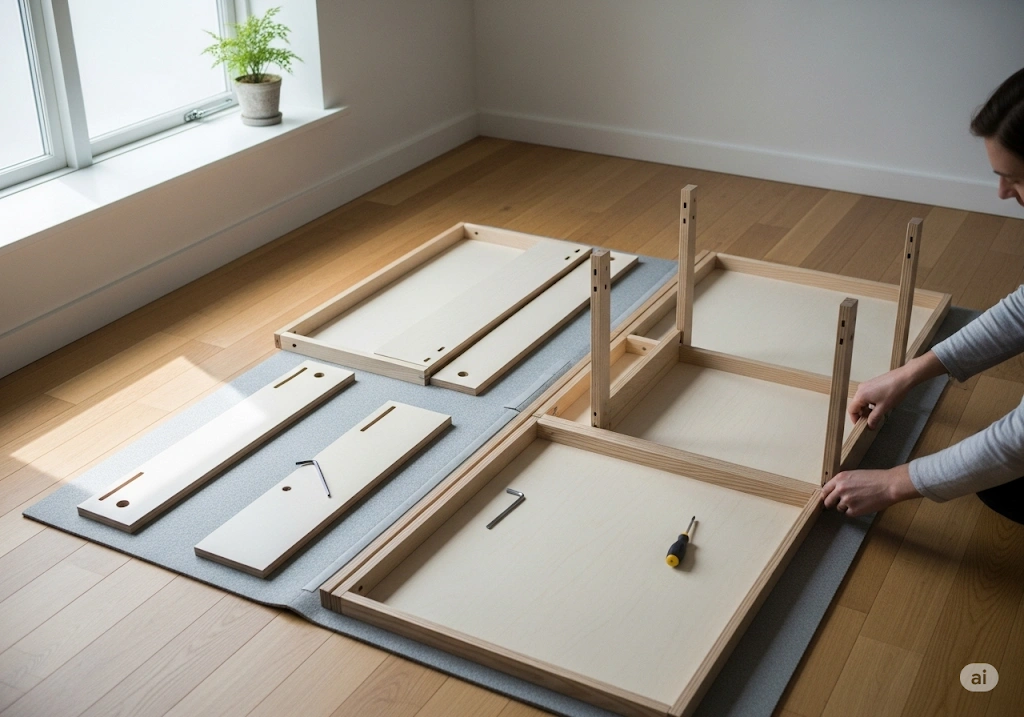
Apartments are typically empty shells. You are expected to bring everything, including light fixtures and often the kitchen sink.
Most furniture is sold flat-pack. Assembly services exist but are expensive, so newcomers save by doing it themselves.
Modular pieces adapt as you move from dorms to shared apartments (WGs) and later to your own flat.
A strong second-hand market means you can recover costs when it is time to move or upgrade.
First Days - Weeks
Bed, mattress, desk, chair, lamp, basic shelves.
Mostly flat-pack, self-assembled, easy to resell or discard later.
First Months
Wardrobes, dining tables, sofas, storage units.
Second-hand is common, accepted, and often high quality if you inspect carefully.
Stable Residence
Full wardrobes, beds, couches, dining sets.
Delivery is common, but assembly may still be required. Purchases are planned, not impulsive.
A high salary does not automatically substitute for a thin credit record.
Schufa is a widely used credit information system in Germany. Many landlords and providers use it as a quick risk indicator. Newcomers frequently start with limited data (“thin file”), which can lead to stricter scrutiny even when income is strong.
A key nuance: credit scoring is influenced by stability and payment behaviour. Frequent provider switches, missed payments, and unresolved contracts can create avoidable negatives. In early months, your best strategy is consistency: pay on time, keep documentation, and avoid unnecessary contract churn.
If you have no Schufa record yet, be prepared to compensate with a stronger document pack: employment contract, proof of savings/deposit, and a clean record of previous landlord references where possible.
In Germany, “reliability over time” is more persuasive than “income on paper.” Build a clean track record early.
The goal is to avoid accidental negatives while you build history.
Many “small” contracts become long obligations if you don’t read the structure.
Notice periods, deposits, and “what counts as damage.”
Confirm notice period (Kündigungsfrist), deposit handling, and any renovation clauses. Take move-in photos and document the apartment condition to avoid disputes at move-out.
Install lead times and cancellation rules.
Internet contracts can involve long minimum terms and installation delays. Confirm start date, cancellation window, and whether your address already has an active line.
Schufa checks and identity verification.
Postpaid plans may involve Schufa checks and sometimes require proof of address. If you are new, consider a prepaid option first to avoid unnecessary rejections.
Coverage is systematic, but choices still matter.
Keep all confirmations. Many decisions (provider changes, additional cover) require written proof. Bureaucracy is manageable when your files are organised.
Many processes are not hard, just slow. Expect lead times and plan ahead.
In many German cities, administrative tasks require booked appointments. Availability varies. This is why you should treat your first weeks as a planning exercise: list the steps, book what you can early, and keep a file of confirmations.
The practical approach is to reduce “back-and-forth”: prepare complete documents, bring copies, and ensure your details match. A missing page can mean another appointment several weeks later.
Practical factors that quietly shape timelines and everyday routines
Germany rewards preparation. Registering your address, keeping documents consistent, and handling mobility admin before deadlines force the issue saves you from fines, rejected applications, or failed rentals.
Register your address within two weeks of moving to establish your legal residence and unlock downstream admin.
Appointments for licence conversion or city admin can take time. Do not wait until the foreign-licence clock is nearly over.
Handle tyre changes, weather gear, and winter safety before road conditions shift abruptly.
Illustrative distribution of newcomer mobility friction
Your original licence is strictly time-sensitive in Germany. Select a time phase below to understand your legal standing and required operational actions.
Upon officially registering your address in Germany, the clock starts on your foreign driving-licence validity. This is the moment to gather documents and book your conversion path early.
Your non-EU or non-EEA licence is generally recognised for six months after establishing normal residence. In some cases, a certified translation of the original licence may also be required.
After six months, you cannot drive legally with your foreign licence. Depending on the issuing country, the conversion path differs and may require both theory and practical tests.
Many assume the rule is calendar-based, but it is weather-dependent. Click the road conditions below to simulate the legal requirement.
No winter conditions are present. Standard tyres remain legal. The "October to Easter" saying is just a reminder, not law.
When winter conditions trigger the requirement, all-season tyres are acceptable only if they carry the Alpine symbol, the mountain pictogram with a snowflake. Older M+S marking alone is no longer enough.
Germany communicates officially in writing. Many letters are time-sensitive.
A common expat mistake is ignoring an official letter because it is “hard to understand.” In Germany, letters often contain deadlines, required actions, and consequences for non-response. They are not meant to scare you; they are meant to create a documented paper trail.
Treat every letter as a structured artifact. Identify the sender, reference number, deadline, and requested action. If you are unsure, ask for help quickly, do not wait until the deadline is near.
Most issues become costly only after the deadline passes.
Keep scanned copies of letters and your responses.
Written responses create traceability and reduce ambiguity.
If you need translation/help, do it immediately.
Integration often starts with small compliance behaviours.
Germany’s civic norms can feel strict to newcomers, but they are designed to make shared living workable. Many rules are local or building-specific, and neighbours generally expect compliance rather than negotiation.
The easiest approach is to assume rules are part of the social contract. Learn the basics early, quiet hours, waste sorting, parking, shared laundry room etiquette, and you reduce friction dramatically.
Noise complaints can escalate. Understand your building’s rules and respect shared living norms.
Waste separation is taken seriously. Wrong disposal can cause warnings or fees in some buildings.
Stable, respectful behaviour builds informal trust, often more valuable than you think.
A practical sequence to reduce delays and avoid expensive mistakes.
Confirm you can obtain a Wohnungsgeberbestätigung and a stable rental agreement.
Appointment lead times vary by city. Treat this as urgent.
Passport, contracts, letters, confirmations, copies, digital + printed.
If new: consider prepaid mobile first; avoid unnecessary contract churn.
This prevents disputes about “damage” when you move out.
Identify sender + deadline + action. Respond early if needed.
Germany rewards planning. If your documents are organised and your steps are sequenced, daily life becomes smoother than most people expect.